Brisbane Mind & Body Clinic

Food Mood Connection Therapy Brisbane, QLD

Does food influence our mood?

The mind-body connection is real

Repeated or prolonged activation of the stress circuits in the brain harms our metabolic, cardiovascular, and brain health. Unfortunately, medicine has largely ignored the critical role of two of the most complex and crucial systems in our bodies when it comes to maintaining our overall health: the gut (digestive system) and the brain (nervous system). Suboptimal dietary intake, lifestyle habits, poor sleep, or inadequate digestion influence brain and gut health.

Food-Mood Connection

Gut microbiota is made up of trillions of bacteria, fungi, and microbes.

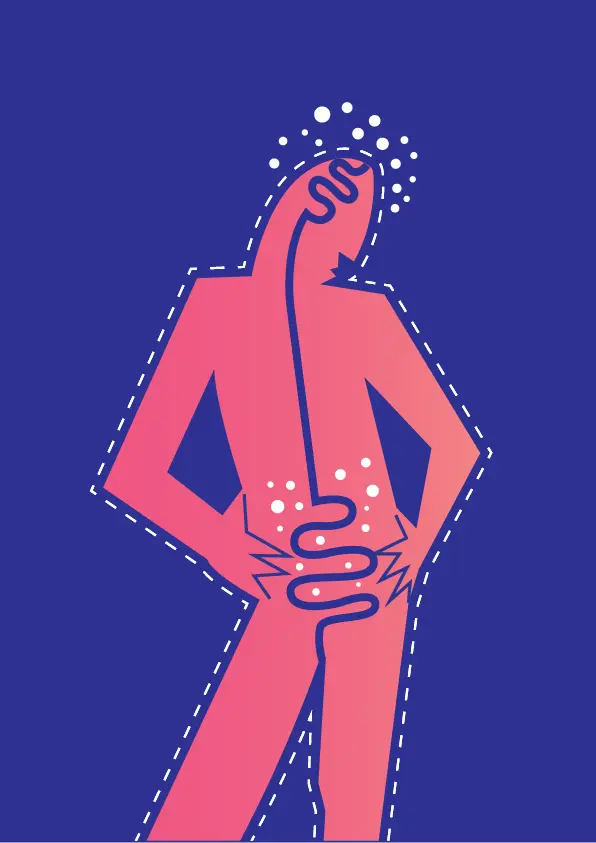
This has been linked to depression, which is one of the leading burdens of all diseases in Australia and is often addressed with support from a psychologist Brisbane. The most common treatments used for depression boost the activity of the serotonin signalling system, which psychiatry had long thought to be exclusively located in the brain. However, we now know that 95% of the body’s serotonin is actually contained in specialised cells in the gut, and these serotonin-containing cells are influenced by what we eat and nutrition, by chemicals released from certain species of gut microbes, and by signals that the brain sends to them, informing them about our emotional state. Remarkably, these cells are tightly connected to sensory nerves that signal directly back into the brain’s emotion regulating centres, making them an important hub within the gut-brain axis.

The wellbeing of our gut microbes depends on the food we eat. The exchange of information between our brain, our gut, and its microbiota isn’t just coordinating basic digestive functions – it also impacts our human experience such as stress, fatigue, anxiety, depression, how we make decisions, how we socialise, and how much we eat. To enjoy a happier mindset, enhanced immunity, energy and hormone balance, and potential weight loss, Brisbane Mind & Body Clinic consider the more rational and science-based decisions about what to eat to stay well. Allow us to get your gut-brain interactions functioning at peak effectiveness, with the goal of optimum health.
Who We Are

Our team have years of experience, using a holistic approach to your health and wellbeing.  

Our Brisbane nutrition team, located in Bowen Hills, are dedicated to your progress and success! We work together to come up with the best solutions for you and your lifestyle.

Michael Miller, Director and Clinical Nutritionist at Brisbane Mind & Body Clinic

Michael Miller

Clinical Nutritionist / Dietetic Medicine

Esther Parker, Nutritionist and Naturopath at Brisbane Mind & Body Clinic

Esther Parker

Nutritionist & Natropath (Masters)

Michael Miller, Director and Clinical Nutritionist at Brisbane Mind & Body Clinic

Michael Miller

Clinical Nutritionist / Dietetic Medicine

Esther Parker, Nutritionist and Naturopath at Brisbane Mind & Body Clinic

Esther Parker

Nutritionist & Natropath (Masters)

Begin your healthy relationship with food, today.

Book Your Initial Consultation with Esther Now:

Frequently Asked Questions

The gut-brain axis is the two-way communication system between your digestive system and your brain. Your gut microbes produce neurotransmitters like serotonin and dopamine that influence mood, anxiety, and stress. This is why what you eat directly impacts how you feel.

Yes. Research shows that 95% of your body's serotonin is produced in your gut. A diet rich in whole foods, fibre, and healthy fats supports healthy gut microbes, which in turn supports mood regulation. Many clients find that nutrition changes work best alongside therapy with a psychologist .

Foods that stabilize blood sugar and support gut health can help reduce anxiety. These include omega-3 rich fish, fermented foods (like yogurt and kimchi), leafy greens, and complex carbohydrates. A nutritionist can create a personalised plan for you.

Ideally, both. Your nutritionist addresses the physical side—how food affects your brain chemistry. Your psychologist helps you change thought patterns and behaviors. Together, they treat the whole person. This is the integrated approach we specialize in at our clinic.

Some people notice subtle shifts in energy and mood within 1-2 weeks. Deeper, lasting changes typically take 4-8 weeks as your gut microbiome adjusts. Consistency matters more than perfection. We'll support you every step of the way.

It's our integrated approach combining nutrition counseling with psychological support. You'll work with both a nutritionist and a psychologist who communicate about your care. Together, they address the biological and emotional roots of your mental health concerns.

Absolutely. IBS is a classic example of the gut-brain axis in action. Stress worsens gut symptoms, and gut discomfort triggers anxiety. Our integrated approach helps break this cycle using nutrition to calm the gut and psychology to calm the mind.

Yes. We offer child and adolescent psychology alongside nutrition support for young people. Adolescence is a critical time for brain development, and good nutrition plays a huge role in mood regulation and mental health.

It depends on your individual needs. Some clients benefit from targeted supplements to correct deficiencies (like vitamin D, B12, or omega-3s). Others see great results from dietary changes alone. Your nutritionist will recommend what's right for you.

Scroll to Top